







Interactive Touch Screen Buying Guide
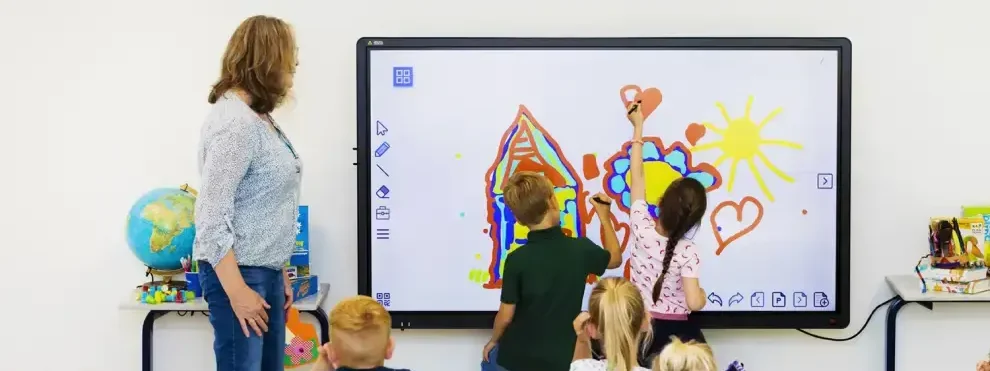
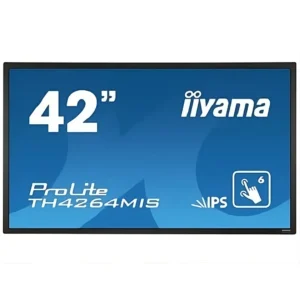
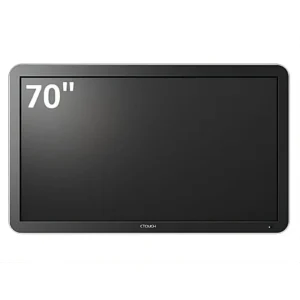
Interactive touch screen displays are the latest innovation to enter the modern interactive collaborative classroom, poised to replace the traditional interactive whiteboard and projector setups of the past, offering numerous additional benefits. An Interactive Touch Screen is a large-format commercial display panel with an interactive touch surface, essentially a giant iPhone or Tablet. The screen connects to a PC, allowing the user to take control of the computer and its applications, as well as write in digital ink and save lesson content. Most of the world’s major Audiovisual manufacturers are currently offering Interactive touch screens with a range of technologies and software available. AV installs has compiled the following guide on all the latest touch screens, helping our customers to compare and make informed purchasing decisions about which hardware and software best suits their requirements.
Touch Screen Manufacturers:

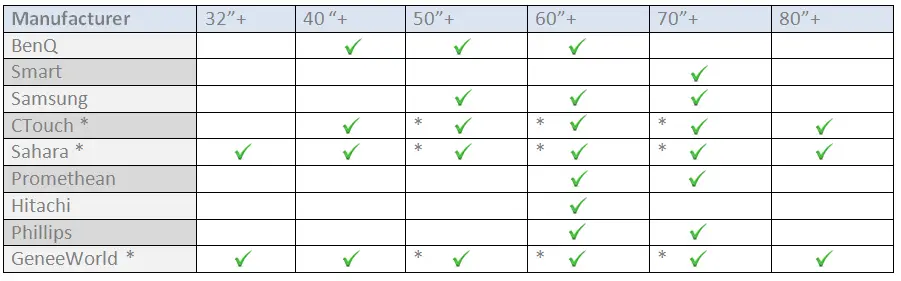
Screen Sizes Available:
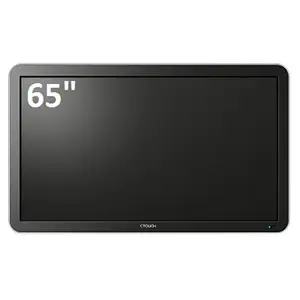
As you can see above, Sahara, Genee World & Ctouch have the most extensive range of screen sizes available on the market. When it comes to screen sizes in education, we recommend 65” or larger screens for middle and senior schools, and 55” or larger for primary schools. All Interactive touch screens can be wall-mounted, and there are also many electric height-adjustable brackets available on the market, which lower the screen to make it more accessible for small children and students with disabilities. * Some screens can be used with a special mobile trolley which lays the screen flat so that it can be worked on as though it were an interactive table.
Touch Technology Explained:
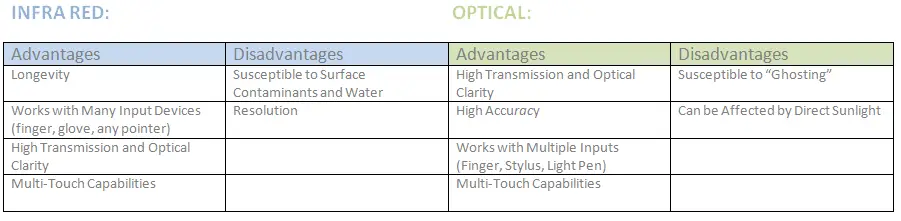
There are two main touch technologies on the market for interactive display panels: Infrared and optical. Both offer various options regarding the number of users who can simultaneously work on the same screen at the same time, known as multi-touch.
Infra Red Touch Technology:
Infrared technology may not be new, but it remains a favourite. It is typically used in large-format displays, some kiosks, and point-of-sale (POS) terminals. It has a long life, furthering its popularity in the digital signage and interactive display markets.
How Infra Red Works:
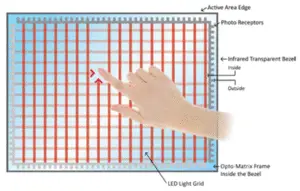
Infrared touch technology requires a perimeter to be placed around the display. The perimeter consists of infrared LEDs placed on two sides of the display and photo transistors placed on the opposing two sides. The two sides then work in pairs; the signal from the LED transistor is read by its opposing photo transistor. When the signal is interrupted, it indicates a blocked infrared beam, which in turn suggests a touch point. While most infrared displays don’t require a touchscreen, a glass overlay is usually recommended to protect the underlying display.
Optical Touch Technology:
Optical touch is typically found in large-format displays and enjoys popularity in digital signage applications. Optical touch can sometimes be less expensive than infrared, but the cost begins to equalise when lighting conditions are considered. Optical touch can also be more challenging to integrate than some other touch technologies.
How Optical Works:
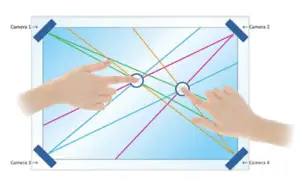
Optical touch uses cameras to detect and pinpoint touch points. Two cameras or more are mounted on the surface of the glass or in the bezel – usually in the corners – of the display. The cameras, or optical sensors, emit infrared light in a plane across the surface of the glass. The screen detects touch points when an interruption in the infrared light occurs. In order to triangulate those touch points, the cameras work in tandem with the printed circuit controller board and its corresponding software program.
To read the rest of this buying guide, please follow this link and complete the registration form.
Related Products
Latest blog posts
Hello everyone, In addition to adding new speaker connection plates to the range this year, we have made some fantastic updates across our entire range of wall plates.
I wanted to take this opportunity to update everyone on the changes and new additions.
Dolby Atmos
Dolby Atmos is a revolutionary audio technology that...
Read More
AV Guides, AV Product Reviews, AV Products, Home Audio Visual Installation Projects
November 18, 2025
The Ultimate TV Wall Mounting System
What is the ultimate TV Wall Mounting system?
The Ultimate TV Wall Mounting System has arrived, and it's changing the way we install televisions. This innovative system is designed to provide in-wall storage for auxiliary devices behind the wall-mounted TV, providing a sleek, sophisticated look in any room.
The system consists of...
Read More
AV Guides, AV Product Reviews, AV Products, Home Audio Visual Installation Projects
October 21, 2025
Samsung Frame TV Mount Adaptor
Are you struggling to mount the Samsung 32" Frame TV on a Standard VESA wall mount?Firstly, the Samsung 32" Frame TV does not have standard VESA-compatible mounting holes on the back of the TV. This makes it very difficult to wall-mount on most standard articulated TV Wall brackets.The answer is...
Read More
AV Guides
September 18, 2025
How To Pair A Venset TV Lift Remote RF
Guide on how to pair a Venset remote control.Have you lost your Venset TV Lift remote?Are you looking for a new remote and need help pairing it with the Venset control box?The following guide and video have been put together to help customers pair a new Venset remote to the...
Read More
AV Guides, AV Product Reviews, AV Products
September 3, 2025
Speaker Connection Plates Guide
A Complete Guide to Installation and Benefits of Speaker Connection Plates
Have you ever tripped over a rogue speaker wire while reaching for the popcorn? Or you've meticulously arranged your furniture, only to have the illusion shattered by a tangled mess of cables snaking across the floor. We've all been there...
Read More